The hours and days following a tooth extraction are more critical than most people think. What you do and what you avoid during this window can be the difference between healing on schedule and facing a painful setback like dry socket. Getting the aftercare right is not complicated, but it does require a little intention and a good roadmap.
At Gardens Dentistry in Palm Beach Gardens, tooth extractions are performed with patient comfort and long-term healing as the top priorities. Dr. Dalia Al-Azzawi and her team use advanced technology and a gentle, spa-like approach to make sure every patient feels supported from the moment of the procedure through the full recovery process. The advice below reflects how we guide every patient before they leave our office.
The First 24 Hours: Protecting the Blood Clot
The most important event after a tooth is removed is the formation of a blood clot in the empty socket. This clot is the foundation of your healing and must be protected above all else during the first 24 hours.
Bite gently but firmly on the gauze that is placed over the socket. Change it every 30 to 45 minutes as needed until bleeding slows. Avoid spitting forcefully, rinsing aggressively, or drinking through a straw, as the suction from these activities can dislodge the clot and lead to a condition known as dry socket. According to MouthHealthy from the American Dental Association, avoiding vigorous rinsing and straw use for at least 24 hours is one of the most important steps in supporting normal healing.
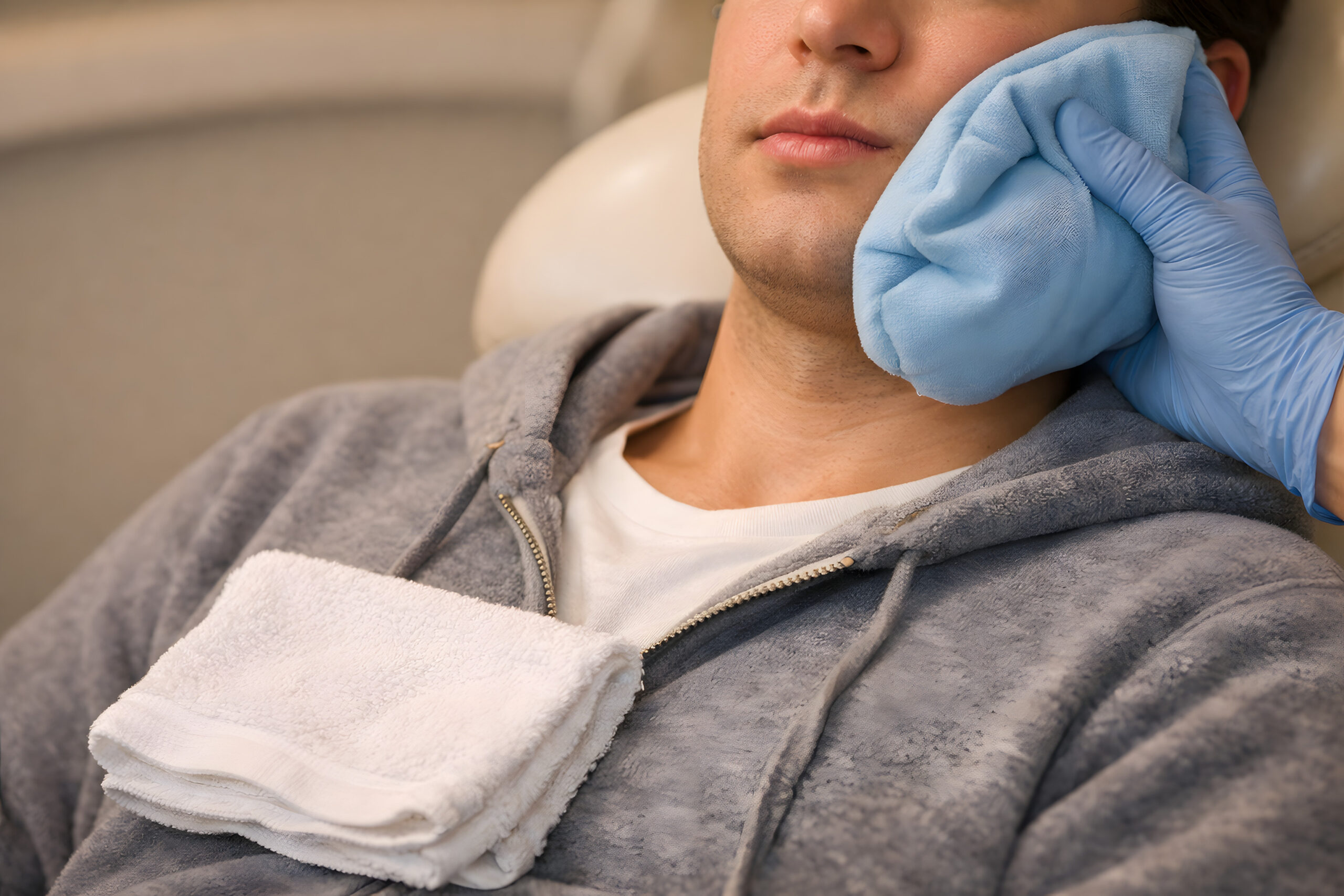
Keep your head elevated, even when resting, and apply an ice pack to the outside of your cheek in 20-minute intervals to manage swelling. Avoid physical activity, as increased heart rate can promote bleeding.
What to Eat and Drink After an Extraction
Nutrition matters, and so does the temperature and texture of what you consume. For the first day or two, stick to soft or liquid foods that require minimal chewing. Good options include yogurt, mashed potatoes, applesauce, smoothies that are eaten with a spoon rather than a straw, and scrambled eggs. Avoid hot foods and beverages, as heat can disrupt clot formation. Hard, crunchy, or chewy foods should also be avoided until the area is fully healed, as they can irritate or reopen the socket.
Stay well hydrated with room-temperature water. Alcohol and carbonated beverages should be avoided for at least 24 hours, and ideally longer. If you smoke, this is the time to pause, as tobacco use significantly increases the risk of dry socket and slows overall healing.
Managing Discomfort and Knowing What Is Normal
Some degree of soreness and swelling is completely normal and expected after an extraction. Peak swelling typically occurs around 48 to 72 hours after the procedure and then gradually subsides. Over-the-counter pain relievers such as ibuprofen are often effective, and we provide specific recommendations based on your health history. If you require sedation dentistry before your extraction, our team will give you tailored post-operative instructions before you leave.
Most discomfort should begin improving after the first two to three days. Signs that something may need attention include severe or worsening pain beyond day three, a bad taste or odor in the mouth, fever, or a visibly empty socket. These can be indicators of dry socket or infection, both of which are treatable but require prompt attention. Patients who experience dental emergencies during recovery should reach out to our team right away.
Oral Hygiene During Recovery
Keeping your mouth clean supports healing, but the area around the extraction site requires special handling. Do not brush directly over the socket for the first 24 hours. After that initial period, you can gently resume brushing, carefully avoiding the healing site.
Beginning the day after your extraction, you may rinse gently with warm salt water after meals to keep the area clean. Do not rinse vigorously, or it could affect the socket. Flossing around neighboring teeth can resume once the socket is no longer sensitive to the touch. For patients who’ve had a wisdom tooth removal, healing timelines may be slightly longer due to the location and complexity of those extractions.
What Comes After Healing?
Once the socket has fully healed, you may want to explore tooth replacement options. At Gardens Dentistry, we also offer socket preservation procedures to protect the bone after an extraction, which is especially important for patients planning to pursue dental implants or other restorative work down the road. Preserving the bone at the time of extraction makes future procedures more predictable and successful.
Making Dental Care More Accessible at Gardens Dentistry
For patients who are uninsured or whose coverage does not include procedures like extractions, our dental membership plan offers a clear, affordable path to the care you need. Powered by Kleer, the plan is billed annually and includes two professional cleanings, exams, and X-rays each year, along with meaningful discounts on additional treatment, including restorative and surgical services. There are no deductibles to meet, no waiting periods, and no annual maximums standing between you and the care you deserve.
When an extraction is necessary, cost should never be the reason it gets delayed. Putting off a needed extraction can lead to infection, shifting of surrounding teeth, and complications that become more difficult to address over time. Membership keeps care within reach so that when something needs attention, you can act on it without hesitation.
Gardens Dentistry: Your Partner Through Every Stage of Care
At Gardens Dentistry, Dr. Dalia Al-Azzawi brings the expertise of a Nova Southeastern University graduate and certifications in advanced dental technologies to every patient interaction. From the precision of the procedure itself to the personalized aftercare guidance you receive, our goal is to make your experience as smooth and comfortable as possible. Our spa-like environment is designed to put even the most anxious patients at ease.
If you have questions about your recovery or are ready to discuss your next steps after an extraction, we invite you to contact our office and schedule a visit. Our team is here to support your healing and help you regain confidence in your smile.