
We prioritize the health of your gums with periodontal care aimed at preventing, diagnosing, and treating gum disease. Our services range from routine cleanings and detailed assessments to advanced treatments. We are committed to educating our patients on effective oral hygiene practices and providing a comprehensive approach to treatment so your whole health can thrive.
We believe everyone deserves affordable dental care, even patients who require a little extra TLC. By signing up for our periodontal care membership plan, you’ll be giving your smile the high-quality care it deserves and saving money along the way.
When caught early, gingivitis can be treatable and reversible.
When caught early, periodontal treatment can undo the effects of gingivitis and restore your smile to its natural, healthy state.
By getting regular periodontal maintenance, you can keep your smile healthy and prevent the damaging buildup of plaque and bacteria.
Investing in periodontal care now can help you avoid more expensive and invasive procedures down the line, such as gum grafts, tooth extractions, and dental implants.
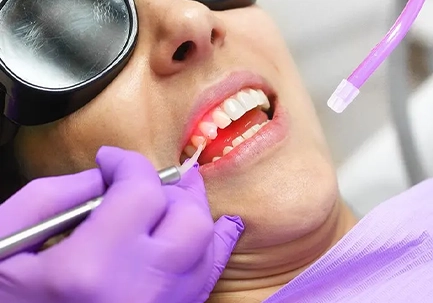
Once you’re comfortably numb, your dentist will use specialized tools to “scale” away the tartar and plaque that has built up between your teeth and below your gum line. This removes the harmful bacteria that cause gum disease. After your teeth and gums are cleaned, your dentist will “plane,” or smooth out, the roots of your teeth. This step eliminates the pockets and pits that form below the roots, where harmful bacteria like to hide.
To complete your deep cleaning, your dentist will provide an antibiotic treatment to promote healing. Depending on your specific needs, this may involve topical antibiotics applied directly to your gums during the procedure, an antibiotic rinse for you to use at home, or an oral antibiotic prescription.
Check out these frequently asked questions, or call us to speak with our team.
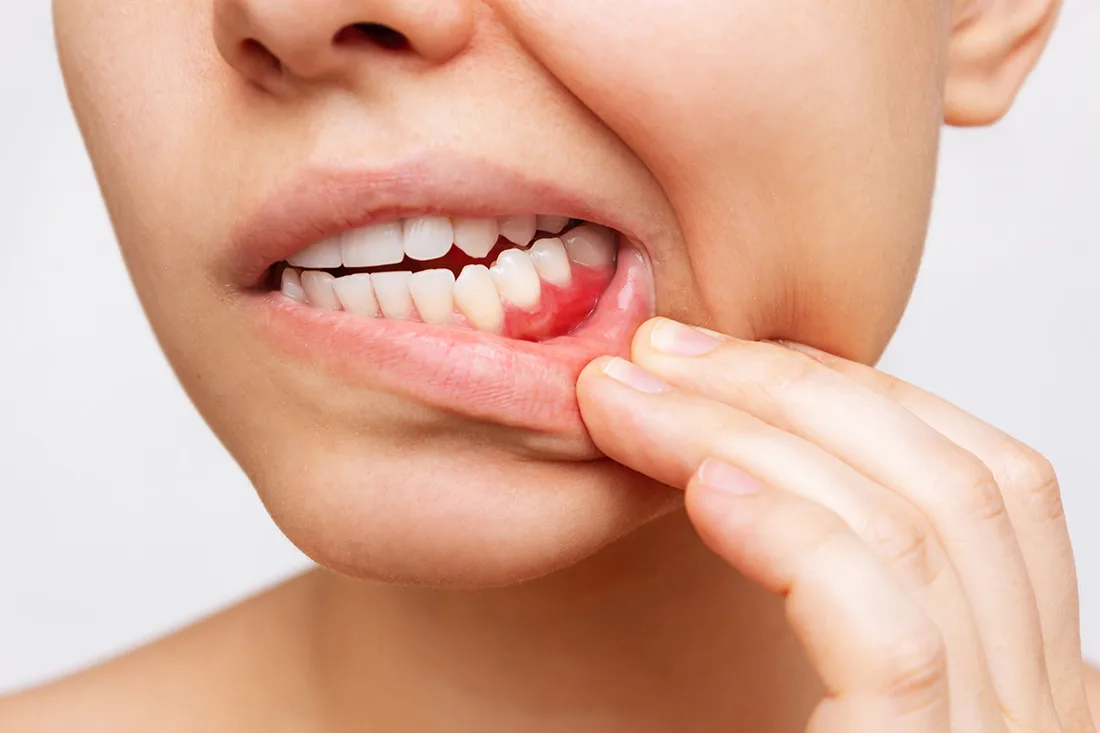
Gum disease typically progresses through three stages. The first stage, gingivitis, is when there’s usually no permanent damage to your teeth or gums yet. With proper care, your dentist can likely reverse and eliminate gum disease at this stage. Common symptoms of gingivitis include bleeding when brushing, swollen and discolored gums, and persistent bad breath.
If gingivitis is left untreated, it can advance to the second stage, periodontitis. Unfortunately, the damage caused by periodontitis is not reversible, but it can be managed with proper treatment. Symptoms of periodontitis often include receding gums, increased sensitivity or soreness in teeth and gums, excessive gum bleeding, and noticeably swollen or puffy gums.
The final stage is advanced periodontitis, where permanent damage occurs to your teeth, gums, and jawbone. Common symptoms include pus formation between the teeth and gums, shifting teeth, changes in your bite, or loosening of one or more teeth. Surgical intervention is usually necessary to treat advanced periodontitis. In severe cases, teeth may need to be extracted and replaced with dental prosthetics like dentures or implants.
Gum disease is caused by an overgrowth of bacteria in the mouth. This can result from poor oral hygiene. When you don’t brush and floss properly, the bacteria in your mouth can multiply and form plaque and tartar between your teeth and gums. Over time, these bacteria start to attack and infect your gum tissue. If left untreated, this infection can lead to permanent, irreversible damage to your oral health.
Some people are also genetically predisposed to developing gum disease. That’s why it’s important to discuss any family history of gum disease with your dentist. Together, you and your dentist can develop a plan for the best at-home care and in-office treatments to protect your oral health.
Periodontal disease is caused by inflammation in the gums, which can lead to infection from an overgrowth of harmful oral bacteria. Your dentist may prescribe antibiotics to help eliminate and control these harmful bacteria, allowing your gums to heal. If you’re prescribed antibiotics for periodontal disease, it’s crucial to follow your dentist’s instructions exactly to ensure the harmful bacteria are completely eradicated. If you don’t finish the full course of antibiotics, the bacteria could become resistant to future treatments with the same medication.
"*" indicates required fields